Navigating Global Trade from Turkey’s Strategic Hubs
For Turkish manufacturers, the path to global markets is paved with efficient maritime logistics. Whether you are shipping automotive parts from Bursa, textiles from Izmir, or industrial machinery from Gaziantep, understanding the nuances of containerized transport is essential for maintaining a competitive edge. At Borans Global Logistics, we specialize in bridging the gap between Turkish production lines and international consumers through optimized FCL (Full Container Load) and LCL (Less than Container Load) solutions.
Key Export Gateways: Istanbul, Izmir, and Mersin
The efficiency of your export operation begins at the port of origin. Turkey offers several world-class maritime gateways, each serving specific industrial hinterlands:
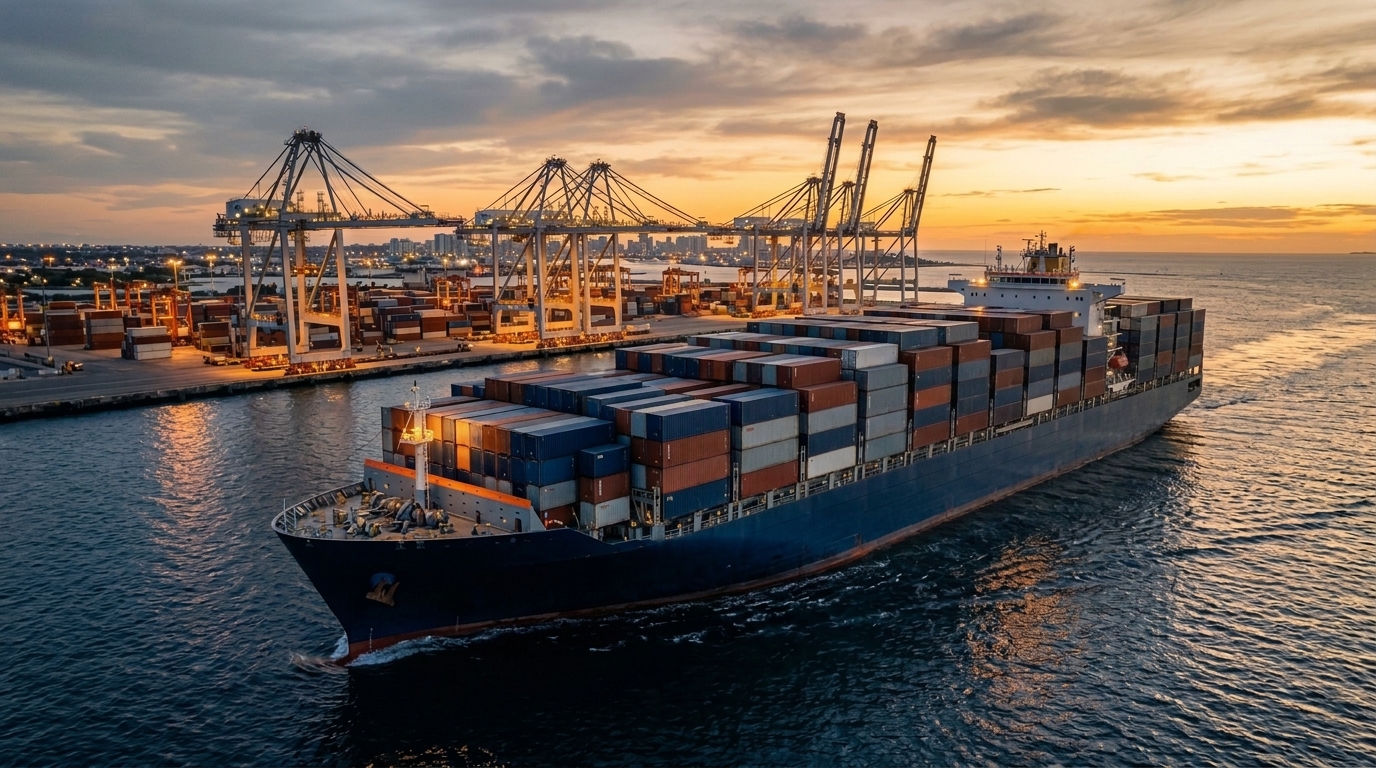
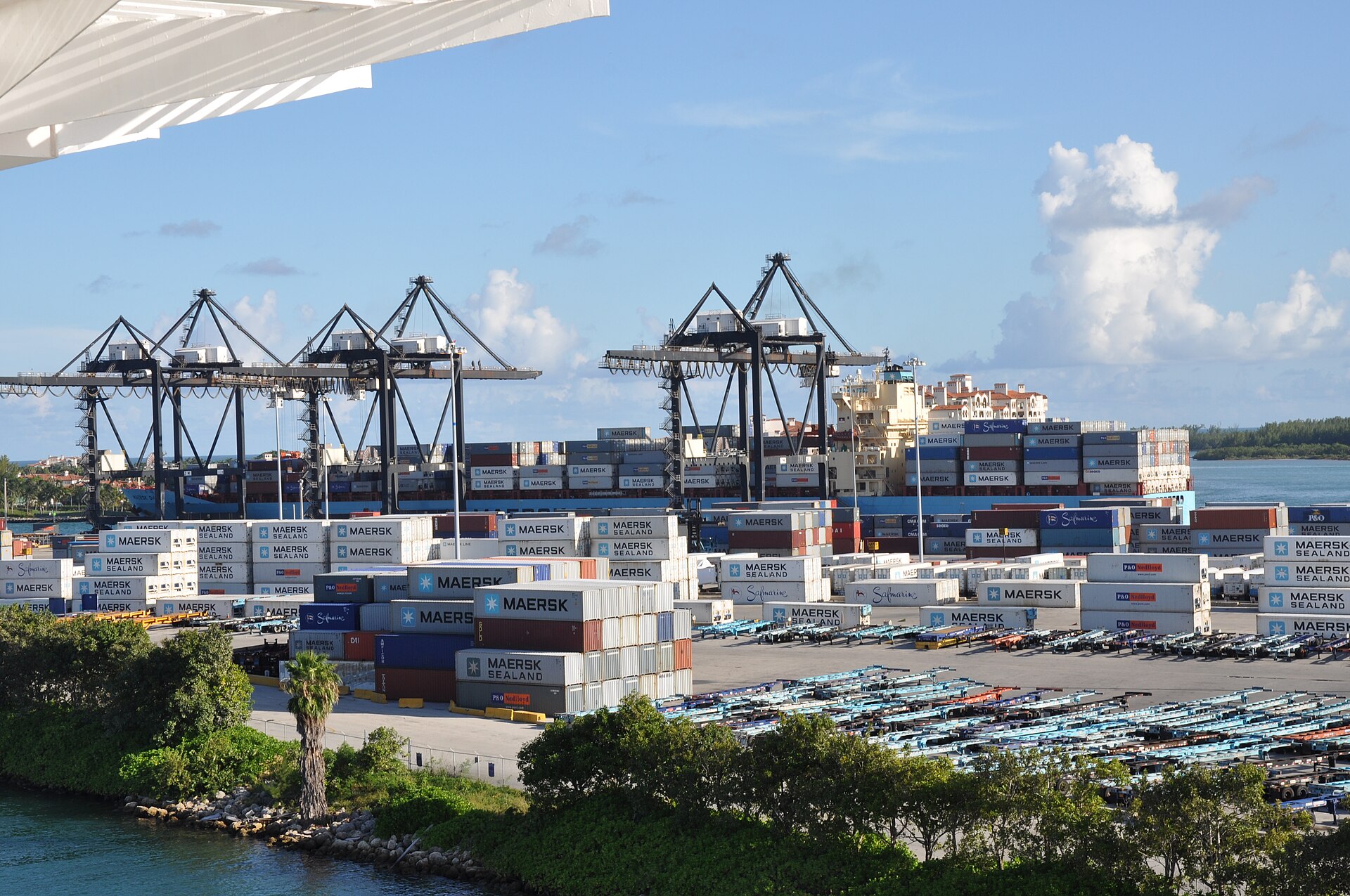
- Istanbul Ambarli: As Turkey's largest container port complex, Ambarli is the primary exit point for the Marmara region’s industrial output, offering the highest frequency of direct sailings to Europe and the Americas.
- Izmir (Alsancak & Aliağa): These ports are the lifeblood of Aegean exports, particularly for agricultural products, minerals, and manufactured goods destined for the Mediterranean basin.
- Mersin: Serving as the gateway to the East and South, Mersin is critical for transit trade and direct exports from Central and Southeastern Anatolia.
Global Destination Corridors: From Rotterdam to Houston
The connectivity of Turkish ports allows for seamless reach to major global trade hubs. For European trade, the route from Ambarli to Rotterdam or Felixstowe remains the busiest, serving as the entry point for the EU and UK markets. For those targeting the North American market, direct and transshipment services to New York and Houston provide Turkish exporters with access to the massive US consumer and industrial base. Choosing the right carrier and route depends heavily on your cargo's sensitivity to transit time versus cost.
FCL vs. LCL: Choosing the Right Equipment
Optimizing your logistics cost starts with selecting the right container type. We offer a variety of equipment to suit different cargo profiles:
| Container Type | Typical Capacity (CBM) | Best Use Case |
|---|---|---|
| 20' Standard (DC) | 33 CBM | Heavy cargo like minerals, machinery, or dense chemicals. |
| 40' Standard (DC) | 67 CBM | General manufactured goods, furniture, and electronics. |
| 40' High Cube (HC) | 76 CBM | Lightweight, voluminous cargo needing extra height. |
| LCL Consolidation | Variable | Small shipments (1-15 CBM) sharing space with other exporters. |
Average Transit Times from Turkey by Mode
5-Step Turkish Container Export Process
Selecting FCL/LCL and securing space with the shipping line.
Positioning the container at the factory for loading.
Completing Turkish customs declarations and A.TR/EUR.1 filing.
Vessel departure from Ambarli, Izmir, or Mersin to global ports.
Destination customs clearance and last-mile delivery to the buyer.
Documentation and Compliance: A.TR, EUR.1, and Bill of Lading
Exporting from Turkey requires meticulous attention to documentation to ensure smooth customs clearance at destinations like Rotterdam or New York. Under the Customs Union agreement, the A.TR Movement Certificate is vital for industrial goods exported to the EU, allowing for duty-free entry. For countries with which Turkey has Free Trade Agreements, the EUR.1 certificate is used. Furthermore, understanding the difference between a Master Bill of Lading (MBL) and a House Bill of Lading (HBL) is crucial for LCL shipments and complex financial transactions involving Letters of Credit.
Incoterms 2020: Managing Risk and Cost
Selecting the correct Incoterm determines where the risk and cost transfer from the Turkish manufacturer to the buyer. Most Turkish exporters prefer:
- FOB (Free On Board): The exporter is responsible for costs until the cargo is loaded onto the vessel at ports like Mersin or Izmir.
- CIF (Cost, Insurance, and Freight): The exporter pays for the sea freight and insurance to the destination port, such as Felixstowe.
- DAP (Delivered At Place): The exporter manages the entire journey to the buyer’s warehouse, providing a door-to-door service that builds buyer trust.
Optimizing Free Time and Avoiding Demurrage
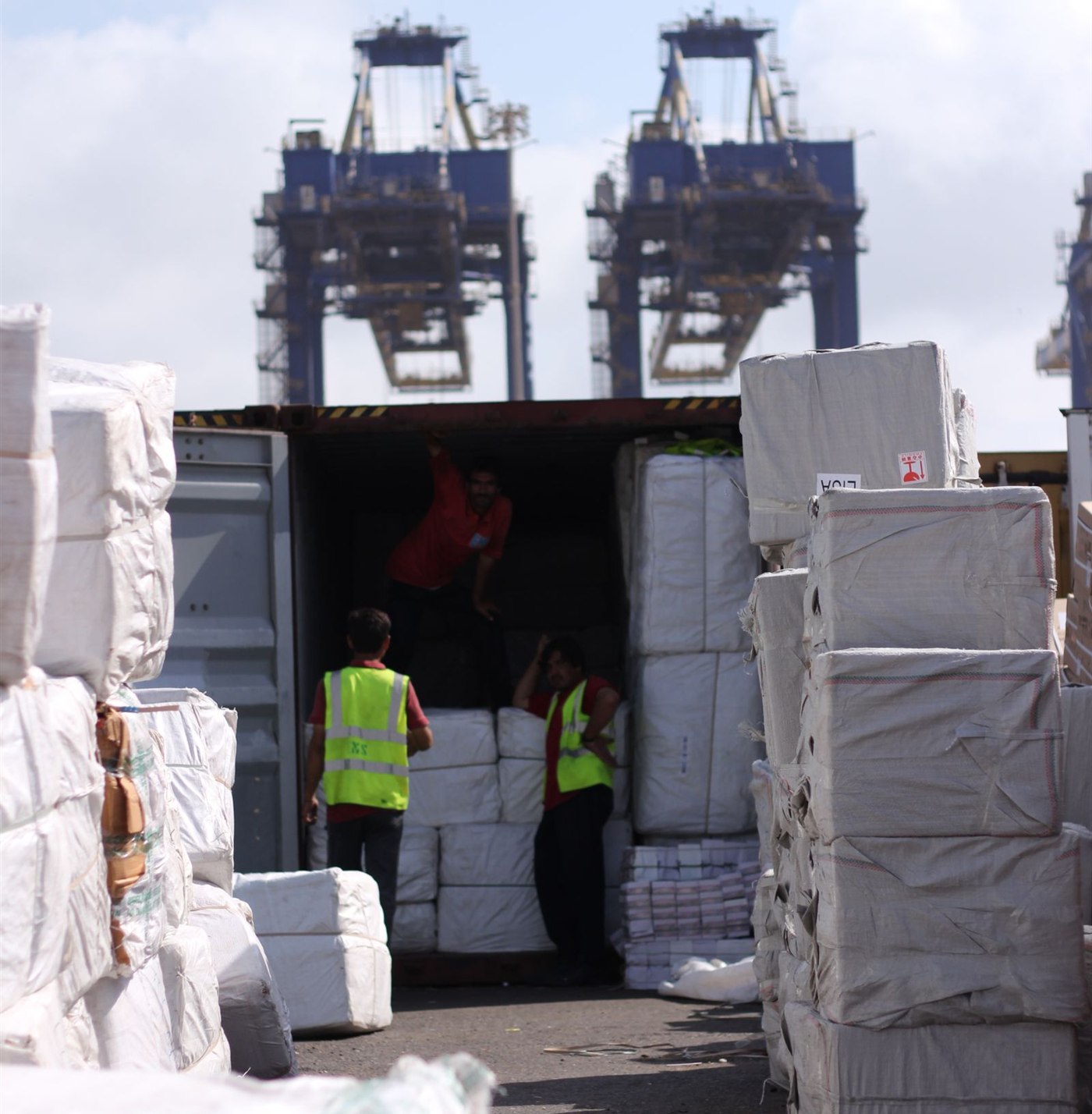
One of the most common pitfalls in container shipping is the accumulation of Demurrage and Detention charges. This occurs when containers stay at the port (like Houston) beyond the agreed "Free Time." At Borans Global, we negotiate extended free time periods for our clients and monitor vessel arrivals closely to ensure that documentation is ready before the ship even berths, effectively eliminating unnecessary storage costs.
Frequently Asked Questions
What is the transit time from Istanbul to New York?
Depending on the carrier and whether it is a direct or transshipment service, transit times typically range from 18 to 28 days.
Can Borans Global handle LCL shipments to the UK?
Yes, we provide weekly LCL consolidation services from Istanbul Ambarli to Felixstowe, allowing small businesses to ship cost-effectively.
How do I calculate the taxable value for my export?
The taxable value is generally based on the FOB value of the goods plus any insurance and freight costs incurred up to the point of entry into the destination country.